

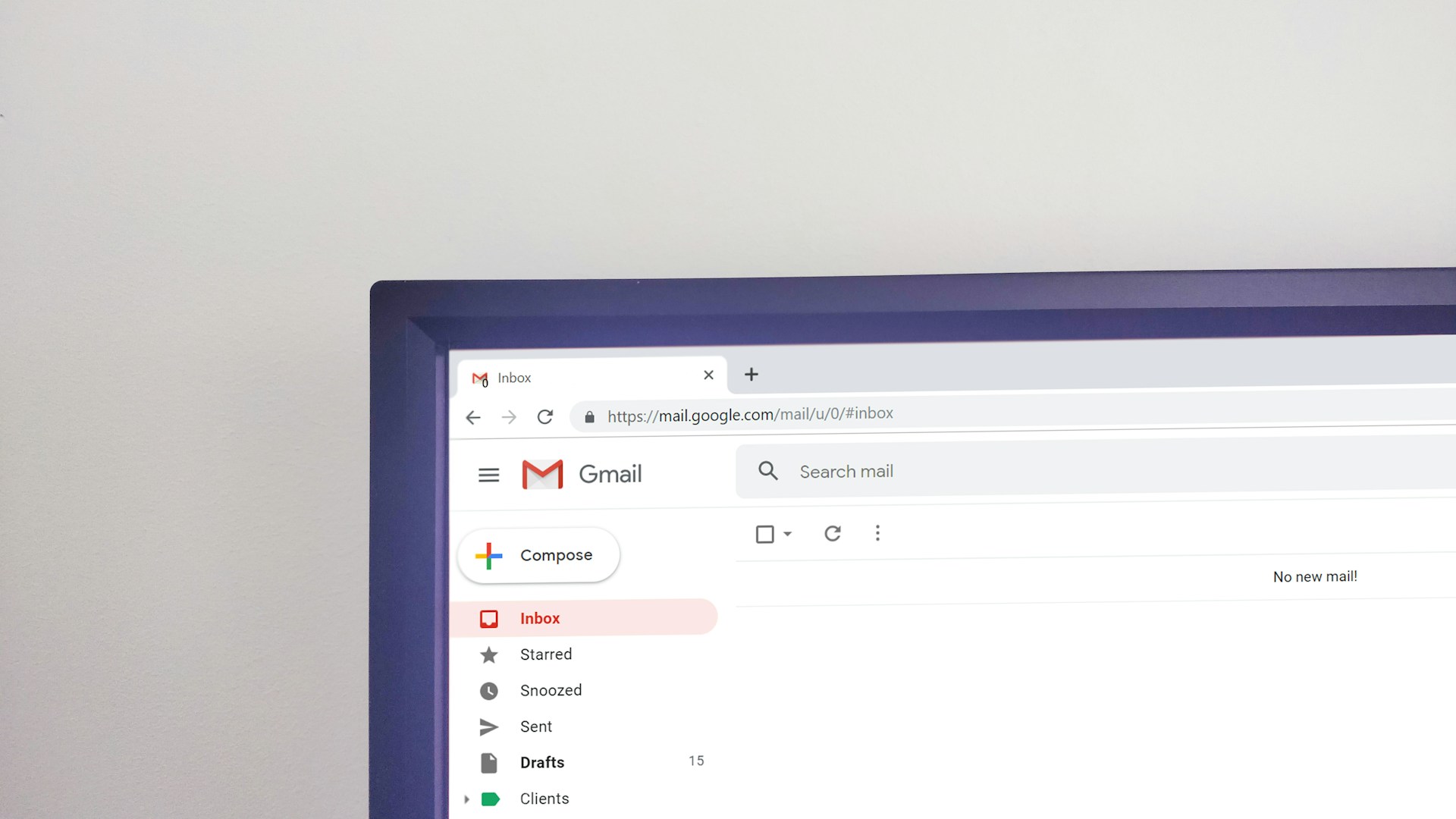
The first thing your subscriber sees isn’t your email. It’s the subject line. And in an inbox with 40 unread messages, that one line decides whether they open you or send you to the bin.
Good email subject lines aren’t about being clever. They’re about being interesting enough to earn three seconds of attention. Here is what works, what doesn’t, and the small tweaks that lift open rates without making you sound like a spam bot.
Why most subject lines fail
Most marketing emails fail at the subject line for one of three reasons:
- They sound like marketing. “Don’t miss our spring sale!” reads as spam before anyone gets to the message.
- They’re generic. “May newsletter” tells the reader nothing. There’s no reason to open.
- They oversell. ALL CAPS, emoji-stuffed, “LAST CHANCE” subjects trigger spam filters and your reader’s eye-roll in the same breath.
The fix isn’t to be cleverer. It’s to be more honest about what’s actually inside the email.
What good email subject lines have in common
Across thousands of campaigns we’ve watched, the subjects that consistently get opened share a few patterns:
- Specific, not generic. “How we cut a client’s bounce rate by 40%” beats “Tips to improve your website” every time.
- Curiosity without trickery. Hint at something interesting; don’t promise the moon. Clickbait gets opens but kills trust.
- Sounds like a human. Write the subject the way you’d write a text message to a friend, not a press release.
- Short enough to read on a phone. 40 to 50 characters survives the iPhone inbox. Longer subjects get cut off mid-thought.
Patterns that reliably work
A few formats to steal:
- The question. “Is your newsletter putting people to sleep?” Most readers can’t help answering it in their head.
- The number. “3 things we’d change about your homepage.” Specific, scannable, promises real content.
- The how. “How we wrote 12 months of social content in one afternoon.” Curiosity plus value.
- The mistake. “The one thing most SA websites get wrong.” Negativity, used carefully, performs well.
- The personal. “A question for you” or “Quick one”. These look like a real email from a real person, because they are.
What to avoid
- ALL CAPS. Triggers spam filters and reads as shouting.
- Multiple exclamation marks!!! Same problem.
- Spam-trigger words. “Free”, “act now”, “guarantee”, “limited time”, “click here”. Not banned, but overused by spammers, so filters are suspicious.
- Too many emojis. One can work. Three says “marketing email.”
- Bait-and-switch. “Re: our chat” when there was no chat. People remember being tricked, and they unsubscribe.
Don’t forget the preview text
The preview text (the snippet of grey text under the subject in most inboxes) is your second subject line, and most businesses waste it. By default it pulls the first words of your email, which is usually “View this email in your browser” or your company address.
Every email platform lets you set preview text manually. Use it. Treat it as a second hook, not a summary. The subject creates curiosity; the preview text deepens it.
Test if you can
Most email platforms (Mailchimp, ActiveCampaign, Klaviyo, MailerLite, Brevo) include A/B subject line testing. Send two variants to a small slice of your list, then send the winner to everyone else. It’s a free, easy way to learn what your specific audience responds to, which often surprises us.
A quick before-and-after
Same email, two subject lines:
- “April Newsletter from tiger&type”
- “3 tiny website changes that actually moved revenue last month”
One is filler. One is a reason to open. The email behind them was identical.
Read next
If you’re judging your subjects by open rate, read why open rate isn’t the metric you think it is first. The headline number can mislead you, and the real signal is somewhere else. And if you haven’t built a welcome sequence yet, that’s where strong subject lines pay off most: our guide is here.
Need a hand?
Writing subject lines that perform takes practice. If you’d rather not spend your week on it, that’s the work we do. Have a look at our email marketing service, or get in touch for a quick chat.